Search Article 
  
 Advanced search 
  
 
About us - Editorial board - Browse articles - Submit article - Instructions - Subscribe - Advertise - Contacts - Login 
  Users Online: 48 Home Print this page Email this page Small font sizeDefault font sizeIncrease font size   


Browse articles
CASE REPORT
J Clin Imaging Sci 2012,  2:48

Computed Tomographic Features of Congenital Left Ventricular Diverticulum


1 Deptartment of Radiodiagnosis and Imaging, Institute of Medical Sciences, BHU, Varanasi, Uttar Pradesh, India
2 Department of Internal Medicine, Institute of Medical Sciences, BHU, Varanasi, Uttar Pradesh, India

Date of Submission14-Jun-2012
Date of Acceptance17-Jun-2012
Date of Web Publication28-Jul-2012

Correspondence Address:
Amit N. D Dwivedi
Assistant Professor, Department of Radiodiagnosis and Imaging, Institute of Medical Sciences, BHU, Varanasi - 221005, Uttar Pradesh
India
Login to access the Email id

© 2012 Dwivedi et al; This is an open-access article distributed under the terms of the Creative Commons Attribution License (http://creativecommons.org/licenses/by/2.0), which permits unrestricted use, distribution, and reproduction in any medium, provided the original work is properly cited.


DOI: 10.4103/2156-7514.99182

Get Permissions

   Abstract 

Congenital left ventricular diverticulum is a rare cardiac malformation characterized by a localized out-pouching from the cardiac chamber. They are most often found in the left ventricle (LV) but have been reported to occur in all chambers of the heart. The patient is usually asymptomatic. However, complications like embolism, infective endocarditis, arrhythmia and, rarely, rupture may be the initial presentation. Diagnosis can be established by echocardiography (EKG), computed tomographic (CT) angiography, and magnetic resonance imaging (MRI). We report a case of congenital left ventricular diverticulum in an adult with no valvular abnormality as an incidental finding in an uncommon location.

Keywords: Cantrell, cardiac, congenital, CT coronary angiography, ECG, left ventricular diverticulum


How to cite this article:
Dwivedi AN, Thangiah AG, Rai M, Tripathi S. Computed Tomographic Features of Congenital Left Ventricular Diverticulum. J Clin Imaging Sci 2012;2:48

How to cite this URL:
Dwivedi AN, Thangiah AG, Rai M, Tripathi S. Computed Tomographic Features of Congenital Left Ventricular Diverticulum. J Clin Imaging Sci [serial online] 2012 [cited 2013 Jun 19];2:48. Available from: http://www.clinicalimagingscience.org/text.asp?2012/2/1/48/99182


   Introduction Top


Congenital left ventricular diverticulum (CLVD) is a rare cardiac abnormality consisting of a localized out-pouching from the free wall of the cardiac chamber. A weakness of the myocardial wall during the embryogenesis may cause a focal protrusion of the ventricular wall. They are most commonly diagnosed in early childhood because of their frequent association with other cardiac and midline thoraco-abdominal anomalies. CLVD is rare in adults and its incidence is reported to be about 0.4% in an autopsy series of adult patients with cardiac death. [1] Commonly, CLVD arises from the left ventricular apex; however, non-apical locations also occur. [2] We report a case of CLVD in an elderly patient as an incidental finding in an uncommon location with normal cardiac valves.


   Case Report Top


A 50-year-old male presented to our department with a history of dyspnea at rest without angina. The patient was a non-smoker, non-alcoholic, and non-hypertensive. There was no history suggestive of coronary artery disease or peripheral vascular disease. On 2D-echocardiography, it was reported that there was an out-pouching showing dyskinetic contractile motion arising from left ventricular lateral wall. No evidence of valvular abnormality was reported. Chest radiograph was unremarkable with no evidence of contour abnormality of cardiac silhouette.

On CT aorta angiogram, there was pooling of contrast into a thin-walled lobulated lesion arising from the anterolateral part of proximal portion of ascending aorta [Figure 1]. There was a superior and lateral displacement of left pulmonary artery. Left aortic sinus and left coronary artery [Figure 2] were inferiorly displaced. The origin and root of aorta were normal. Rest of the cardiac chambers and branch vessels were normal in course and caliber. A diagnosis of CLVD was offered. In addition, a large thrombus in the right atrium extending into the superior vena cava [Figure 3] was also observed. Patient was put on anticoagulation therapy with warfarin. No surgical treatment was proposed for the diverticulum. The patient on follow-up examination was found to be well.
Figure 1: Coronal image of CT aorta angiogram shows the pooling of contrast into a thin-walled protrusion arising from the anterolateral part of left ventricular wall (thin red arrow) abutting the proximal portion of ascending aorta (solid yellow arrow).

Click here to view
Figure 2: Contrast-enhanced axial CT shows the displacement of left aortic sinus (bold yellow arrow) and left coronary artery (thin red arrow).

Click here to view
Figure 3: Coronal-reformatted CT angiogram image demonstrates a large thrombus in the right atrium (bold red arrow) extending into the superior vena cava (bold yellow arrow).

Click here to view


   Discussion Top


A diverticulum is defined as a pouch or sac branching out from a hollow organ or structure. The first case of congenital left ventricular aneurysm was reported in 1838 and surgical resection of these malformations date back to 1912. [3] The incidence of congenital ventricular aneurysm/diverticula was previously reported to be as high as 0.4% in an autopsy series of patients who had died as a result of cardiac disease, but the incidence was only 0.26% in a population of patients referred for cardiac catheterization. [1] In a large retrospective echocardiographic study, researchers found a prevalence of only 0.04%. [4]

CLVD is most commonly diagnosed in early childhood because of their frequent association with other cardiac and midline thoraco-abdominal anomalies such as ventricular septal defect, tricuspid atresia, and tetralogy of fallot. Depending on the amount of myocardial fibers involved, diverticula may be primarily muscular or fibrous in nature. In children ventricular diverticulum has been commonly observed as the muscular type, [5] while the majority of ventricular diverticulum in adults has been classified as the fibrous type. [6] [Table 1] compares the different features of the fibrous and muscular type of diverticula.
Table 1: Comparison of fibrous and muscular diverticula

Click here to view


Fibrous ventricular diverticulum

Fibrous diverticulum consists mainly of fibrous tissues with few or no muscle fibers. Histologically, fibrous diverticula have connective tissues composed of reticulin fibers.

It is commonly located at the apex or base of left ventricle and its connection with the ventricular cavity is wide. Patient with fibrous diverticulum may be asymptomatic. It is usually diagnosed as an incidental finding in older children or adults by the mild alteration of cardiac silhouette or ST changes (ST segment on the electrocardiogram represents the period when the ventricles are depolarized) on EKG. The fibrous type is localized either in the apical or sub-valvular area and often leads to mitral and aortic regurgitation. The fibrous type is not accompanied by congenital midline thoracic or abdominal abnormalities and occurs more frequently in the Negroid race.

Muscular ventricular diverticulum

Muscular diverticulum is characterized by a muscular appendix emerging from the left ventricular apex. The diverticular musculature has a mechanical activity synchronous with the activity of the ventricles. Histologically, muscular diverticula contain all layers of the ventricular myocardium (with the myocardial architecture preserved) and minimal fibrous tissues. Its connection with the ventricular chamber is usually narrow. It is usually associated with symptoms of abdominal, diaphragm, pericardium, and heart defects like ventricular septal defects. Because of the association with midline defects muscular diverticulum is detected in infancy mostly by echocardiography. Muscular diverticula are most often localized at the apex part of the inferior or anterior walls of the left ventricle and frequently associated with thoraco-abdominal defects and also with Cantrell syndrome.

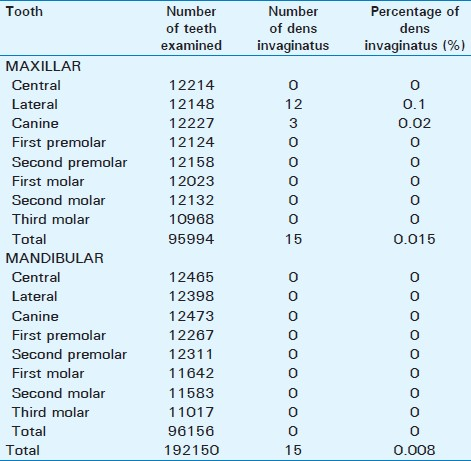
[Table 2] summarizes the location of muscular ventricular diverticulum and its frequency of occurrence. The sizes of ventricular diverticula described in the literature range from as small as 0.5 cm in diameter to as large as 8-9 cm. [3]
Table 2: Location of ventricular diverticulum and their frequency of occurence

Click here to view


Congenital ventricular diverticula are often asymptomatic and are usually found incidentally during diagnostic imaging procedures performed for other reasons.

Accompanying cardiac malformations can be evaluated on echocardiography. Doppler sonography can provide additional information about the contractility and myocardial perfusion of the diverticulum.

Congenital ventricular diverticula should be differentiated from other causes of acquired ventricular aneurysms such as those that occur after myocardial infarction, myocardial inflammatory disease such as sarcoidosis or myocarditis, infectious endocarditis or trauma.

Differentiating a ventricular aneurysm from a diverticulum is of importance in adult patients. A narrow mouth and synchronous contractility characterize a diverticulum. On the other hand, aneurysms show akinesia or paradoxic contractility of the out-pouching, which is asynchronous with the rest of the heart. [7]

Isolated ventricular non-compaction is another entity that needs to be considered in the differential diagnosis. Although ventricular non-compaction can appear similar to ventricular diverticula, diagnosis of ventricular non-compaction usually requires the presence of more than 3 deep inter-trabecular recesses.


   Conclusion Top


The high spatial resolution and high temporal resolution offered by EKG-gated cardiac multi-detector computed tomographic angiography (MDCTA) provide a unique opportunity to evaluate the ventricular myocardium in a manner not previously afforded by non-gated CT or by alternative imaging techniques such as echocardiography. As the number of patients referred to cardiac MDCTA for evaluation of coronary artery disease increases, there is an opportunity to evaluate a population of patients who may have a higher incidence of ventricular diverticula in uncommon locations as in our case.

 
   References Top

1.Ichikawa K, Makino K, Futagami Y, Fujioka H, Ito M, Hamada M, et al. Isolated congenital left ventricular diverticulum in an adult. A case report. Angiology 1994;45:743-7.  Back to cited text no. 1
[PUBMED]    
2.Shah D, Prem Kumar C, Shah MS, Baraiya M. Case series: Congenital left ventricular diverticulum. Indian J Radiol Imaging 2010;20:211-4.  Back to cited text no. 2
[PUBMED]  Medknow Journal  
3.Ohlow MA. Congenital left ventricular aneurysms and diverticula: Definition, pathophysiology, clinical relevance and treatment. Cardiology 2006;106:63-72.  Back to cited text no. 3
[PUBMED]    
4.Mayer K, Candinas R, Radounislis C, Jenni R. Congenital left ventricular aneurysms and diverticula: Clinical findings, diagnosis and course [in German]. Schweiz Med Wochenschr 1999;129:1249-56.  Back to cited text no. 4
[PUBMED]    
5.Gruberg L, Goldstein SA, Pfister AJ, Monsein LH, Evans DM, Leon MB. Cantrell's syndrome. Left ventricular diverticulum in an adult patient. Circulation 2000;101:109-10.  Back to cited text no. 5
[PUBMED]    
6.Ueda T, Mizushige K, Yukiiri K, Aoyama T, Kondo I, Kohno M, et al. Contrast harmonic power Doppler imaging of congenital ventricular diverticulum. A case report. Angiology 2001;52:357-9.  Back to cited text no. 6
[PUBMED]    
7.Fernandez MS, Lopez A, Villa JJ, Lluna J, Miranda J. Cantrell's pentalogy: Report of four cases and their management. Pediatr Surg Int 1997;12:428-31.  Back to cited text no. 7


   Authors Top

Amit Nandan Dhar Dwivedi


    Figures

  [Figure 1], [Figure 2], [Figure 3]
 
 
    Tables

  [Table 1], [Table 2]


Top
Previous article   Next article
 
  Search
 
    Similar in PUBMED
   Search Pubmed for
   Search in Google Scholar for
 Related articles
    Access Statistics
    Email Alert *
    Add to My List *
* Registration required (free)  

 
  In this article
    Abstract
   Introduction
   Case Report
   Discussion
   Conclusion
    References
    Authors
    Article Figures
    Article Tables

 Article Access Statistics
    Viewed720    
    Printed71    
    Emailed0    
    PDF Downloaded180    
    Comments [Add]    

Recommend this journal